

Democratic senators press Trump administration on lack of counter-evasion sanctions on Russia
 Read NV on Google
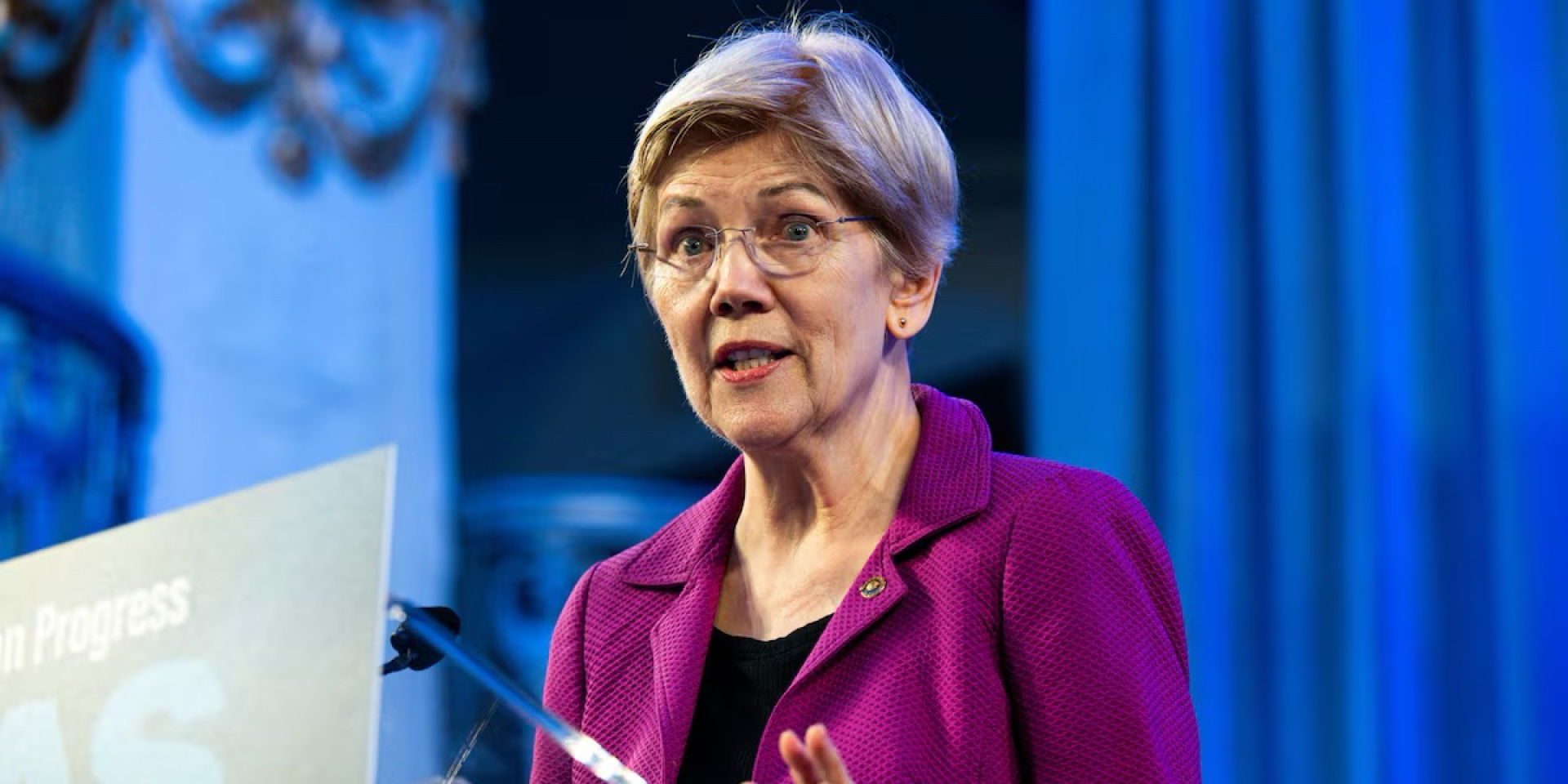
U.S. senators are demanding Rubio and Bessent explain the pause in sanctions against Russia (Photo: REUTERS/Annabelle Gordon)
Two influential Democratic senators have pressed the Trump administration over the lack of new sanctions against foreign banks and companies helping Russia evade existing trade restrictions, Reuters reported on August 12.
Senators Elizabeth Warren, the top Democrat on the Senate Banking Committee, and Christopher Coons wrote a letter to Secretary of State Marco Rubio and Treasury Secretary Scott Bessent. The senators say the administration has paused regular, targeted counter-evasion sanctions on Russia for 17 months.
The U.S. last imposed major sanctions on Russia in October 2025, when the Treasury targeted oil companies Rosneft and Lukoil. The senators believe those sanctions were a one-off and that Moscow easily evades them.

The U.S. Treasury Department defended existing sanctions against Russian oil companies in response to a Reuters inquiry, stating the Trump administration would continue to act in line with national security interests to peacefully end the war. The State Department added that it does not comment on potential future sanctions.
Warren and Coons also cited Treasury Secretary Scott Bessent's February congressional testimony, where he justified the sanctions pause by arguing the administration needed to see how peace talks progressed first. They noted that the U.S. simultaneously slapped new restrictions on Iran and Cuba despite ongoing negotiations with those nations.
The senators also highlighted a May statement from Secretary of State Marco Rubio, who acknowledged that peace talks between Ukraine and Russia were nonexistent and yielding no results.
The letter says there were 111 sets of sanctions on Russia following the February 2022 invasion until January 2025, the month President Donald Trump took office for a second time.
Warren and Coons demanded Rubio and Bessent explain by August 28 why Washington has not resumed regular sanctions against Russia, given that the peace talks prompting the pause stalled months ago. The senators argued that new curbs would strengthen the U.S. position in securing a just peace for Ukraine.
The U.S. Senate also passed a new Russia sanctions bill this month, though its future is uncertain amid bipartisan concerns that it could give Trump the authority to slap tariffs on American allies like Japan and European nations.
The Graham–Blumenthal Russia sanctions bill
A bill imposing new sanctions on Russia was introduced in the U.S. Senate in early April 2025. It called for a 500% tariff on goods imported from countries that continued buying Russian oil and other raw materials. Republican Lindsey Graham and Democrat Richard Blumenthal co-sponsored the legislation.
The Wall Street Journal reported in June 2025 that the Trump administration was quietly lobbying Graham to soften the bill's provisions. Politico similarly predicted at the time that the bill would undergo significant dilution before a final vote.
At his final press conference in Kyiv on July 10, 2026, Senator Graham announced that a breakthrough agreement had been finalized with the White House on a revised version of the sanctions package.
However, on the evening of July 11, the political landscape was shattered when Senator Graham passed away in Washington following a sudden medical emergency.
Trump told reporters at the White House on July 14 that he believed sanctions against Iran and Hezbollah should be added to the legislative package. However, co-sponsor Senator Richard Blumenthal cautioned against delaying the process, stating: "We must move forward with this bill, rather than opening it up, in my view, to other potential targets."
The White House and congressional negotiators agreed to lower the proposed tariff rate from 500% to 100% starting in April 2025, CNN reported
The Senate held its first procedural vote on the Russia and Iran sanctions bill championed by Graham on July 28. Eighty-six senators backed the measure.
Donald Trump could weaponize the bill's broad powers to wage trade wars "against both friends and foes" rather than deploying them as intended, former senior sanctions official Edward Fishman warned, according to The Wall Street Journal.
The military war may be swinging in our favor, but the information war continues.
Just as an army needs soldiers, so does a free society need its journalists to ensure that people have access to honest, trustworthy voices to understand the world around them.
For the past five years, The New Voice of Ukraine has been working tirelessly to push back against Russian narratives and defend democracy. But we cannot do it alone.
Please consider supporting us on Patreon for just $5 a month – your donation does directly to supporting journalists and ensuring that this front of the infowar says solid and defended.
Thank you.
Follow us on Twitter, Facebook and Google News
