

Ecologist reveals damaging consequences of Kakhovka dam’s destruction
 Read NV on Google
Professor of Ecology at the National University of Kyiv-Mohyla Academy and expert at the Crimean Tatar Resource Center, Yevhen Khlobystov, discussed in an interview with Radio NV the anticipated consequences of the explosion at the Kakhovka Hydroelectric Power Plant caused by the Russians in the early hours of June 6.
NV: Is there an understanding of how events will unfold around this catastrophe? When will the water reach its peak? How quickly will it recede, and what territories might be affected by flooding?
Khlobystov: This is quite a complex situation. According to experts’ estimates, the water today could reach a distance of 200 meters from the (riverbanks), particularly on the left side of the Dnipro River. This means that the water flow will increase by approximately 200 meters, resulting in the formation of a new body of water. Undoubtedly, this presents enormous problems.

First and foremost, ecological issues arise as the explosion affects both biodiversity and agricultural land. The main danger lies in the fact that there are inhabited areas in the vicinity that were completely unprepared for such a situation. These areas contain landfills, waste, toilets, and various other elements related to human activity, all of which will be submerged under water. This will inevitably impact the epidemiological situation.
Additionally, significant changes in the ecological systems of the affected territory will occur, leading to difficulties in land consolidation and subsequent agricultural use of these areas. The damage will be substantial.
Moreover, there will be complications in providing water supply to the settlements that relied on the Kakhovka reservoir, as the reservoir will virtually disappear within a few hours. This presents a significant problem that we were, in my opinion, unprepared for. Urgent measures need to be taken to address this situation.
NV: Was such a situation not even considered? In fact, back in October of last year, intelligence reports indicated that such actions by the occupiers were being prepared. Perhaps there was a plan of action being developed?
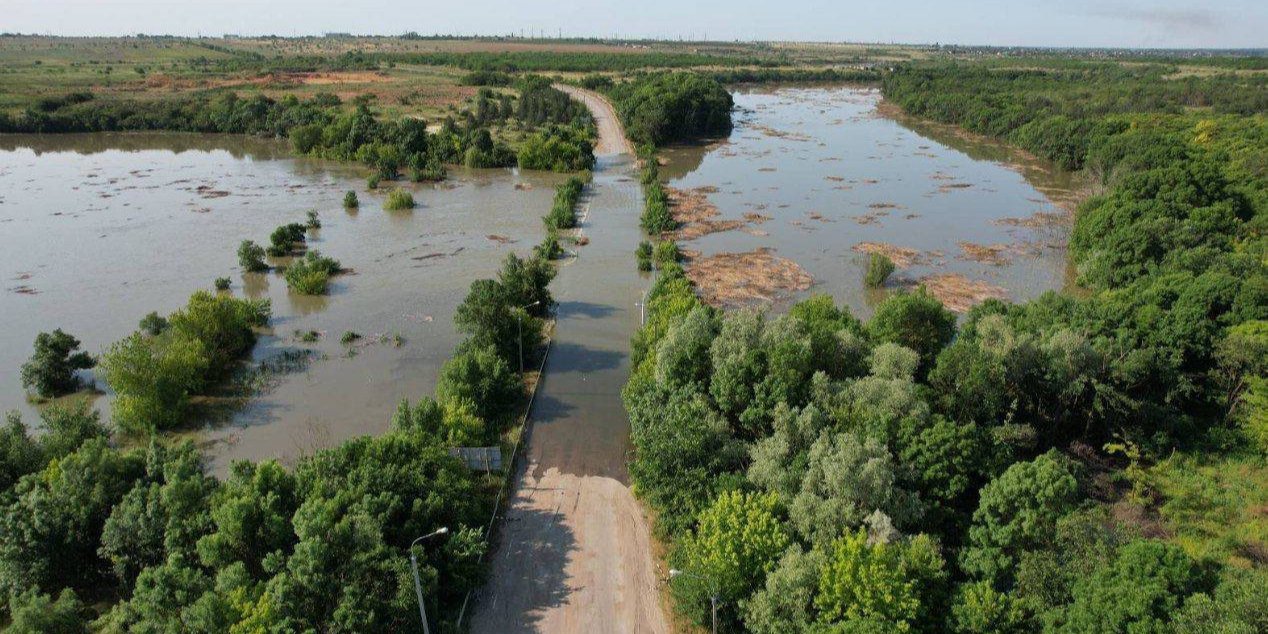
Khlobystov: Certainly. As you can see, urgent evacuations have begun today, and efforts are underway to save people and rescue the most crucial items that can be promptly removed.
However, it should be noted that the water is not expected to recede in a short period of time. Unfortunately, it will likely remain for a long duration.
As for how long it will persist, it is difficult to determine at this moment. Further studies need to be conducted, taking into account the soil characteristics. Therefore, we will be able to provide at least an approximate estimate of the amount of water that will inundate the area, no earlier than tomorrow or the day after, once we observe a stable water level situation in this part of Kherson Oblast.

NV: And what about the water supply to the settlements upstream? What can we understand in this regard? What scale are we talking about? In Kryvyi Rih, they already say that the situation is complicated even at present. What alternatives can be considered for replacing the water in this case?
Khlobystov: Under the circumstances, finding alternatives for water supply everywhere is challenging. For instance, switching to underground water supply for everyone is quite difficult to implement. Therefore, we can only discuss certain individual possibilities in that regard.
However, I hope that the water supply situation upstream, above the dam breach, will not change drastically and won’t be as critical. It is difficult for me to provide a comprehensive assessment at this moment since I cannot observe how the Dnipro River will appear between the Kakhovka reservoir and downstream. As for the upstream areas, I am uncertain if there will be a catastrophic situation. However, there might be complications, of course.
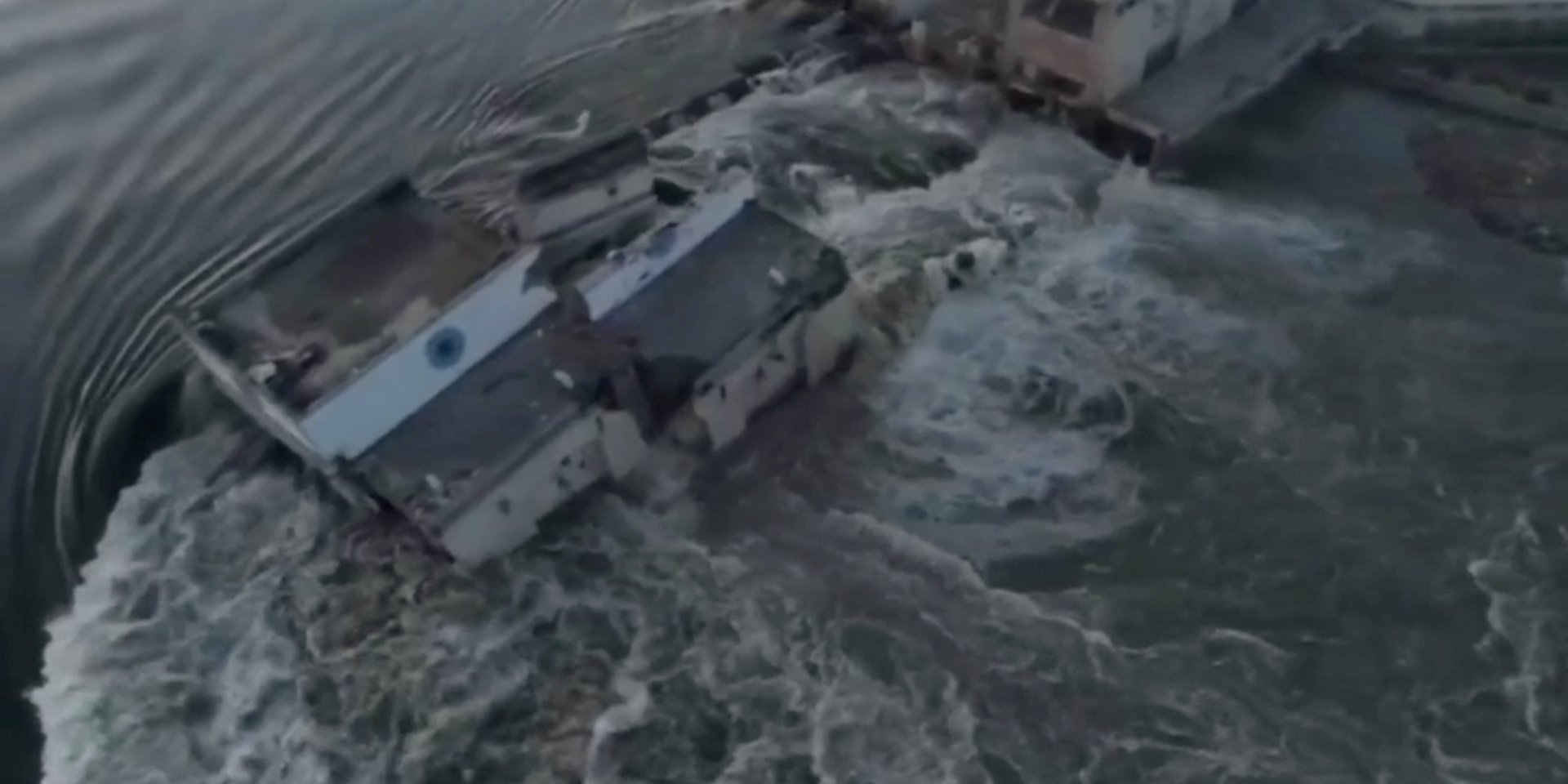
NV: We are currently hearing from the Kremlin’s puppet authorities on the left bank that there is “no need to panic” and no evacuation is necessary. Although we know that the left bank is located lower than the right bank, flooding on the left bank is possible. What situation may arise on the left bank, which is currently occupied by the Russians?"
Khlobystov: The situation on the left bank will be challenging because a significant portion of the water will flow in that direction. There will be an increased risk of flooding, and the dangers related to the epidemiological situation and the provision of basic necessities of life will be higher.
As for the evacuation in the currently occupied area, it is difficult to predict. However, one thing is certain: the Russians will not prioritize the well-being of ordinary people. It is likely that the resolution of this situation will be improvised or handled in a spontaneous manner.
The military war may be swinging in our favor, but the information war continues.
Just as an army needs soldiers, so does a free society need its journalists to ensure that people have access to honest, trustworthy voices to understand the world around them.
For the past five years, The New Voice of Ukraine has been working tirelessly to push back against Russian narratives and defend democracy. But we cannot do it alone.
Please consider supporting us on Patreon for just $5 a month – your donation does directly to supporting journalists and ensuring that this front of the infowar says solid and defended.
Thank you.
Follow us on Twitter, Facebook and Google News
